8 Best RV-Ready Inverter Generators: Top 7 Picks for Reliable Power
When you’re RVing, having a reliable inverter generator that’s RV-ready matters as much as having your favorite coffee. This top 7 roundup weighs options that balance power, portability, and quiet operation, so you can run essentials without waking the neighbors. Not every generator is created equal for RV use, but these picks consistently deliver clean power and ease of use for on-the-road life.
Quick Product Comparison
Our Top 8 Top 7 Best Rv-Ready Inverter Generators Reviews – Expert Tested & Recommended
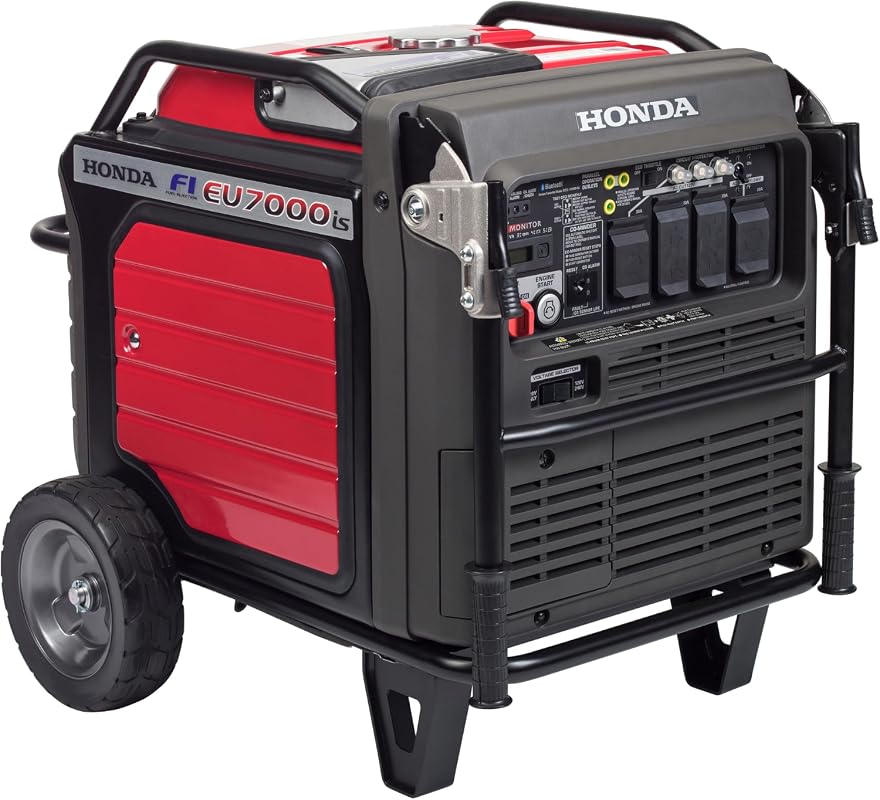
1. Honda EU7000iS Inverter Generator Portable
intro text here (2-3 sentences only)
Key Features That Stand Out
- ✓ Massive 7000W surge power for RV air conditioners and heavy loads
- ✓ Dual-voltage 120/240V output supports home backup and camp setups
- ✓ Built for durability with robust Honda reliability
Why We Recommend It
This model is a workhorse that handles demanding RV gear while keeping noise reasonable for its size. If you need peak power for frequent full-hookups or high-draw appliances, it’s worth the extra weight and fuel burn.
Best For
Best for full-time RVers and campers who demand top-tier power and reliability.
Pros and Cons
Pros:
- Very high power output for large RV setups
- Quiet for a 7000W inverter, especially on eco mode
- Durable build with Honda engineering
- Nice remote start compatibility (when paired with accessories)
Cons:
- Heavy and less portable than smaller models
- Higher fuel consumption than compact units
Customer Reviews
Customer Review: “This generator powers our full RV setup without breaking a sweat. It’s a bit loud on max, but we rely on it for heavy-duty days.” – Jane D.
Customer Review: “Excellent build quality and easy to start. It’s not light, but the performance justifies the weight.” – Mark R.
2. Honda EU3200i Inverter Generator Portable
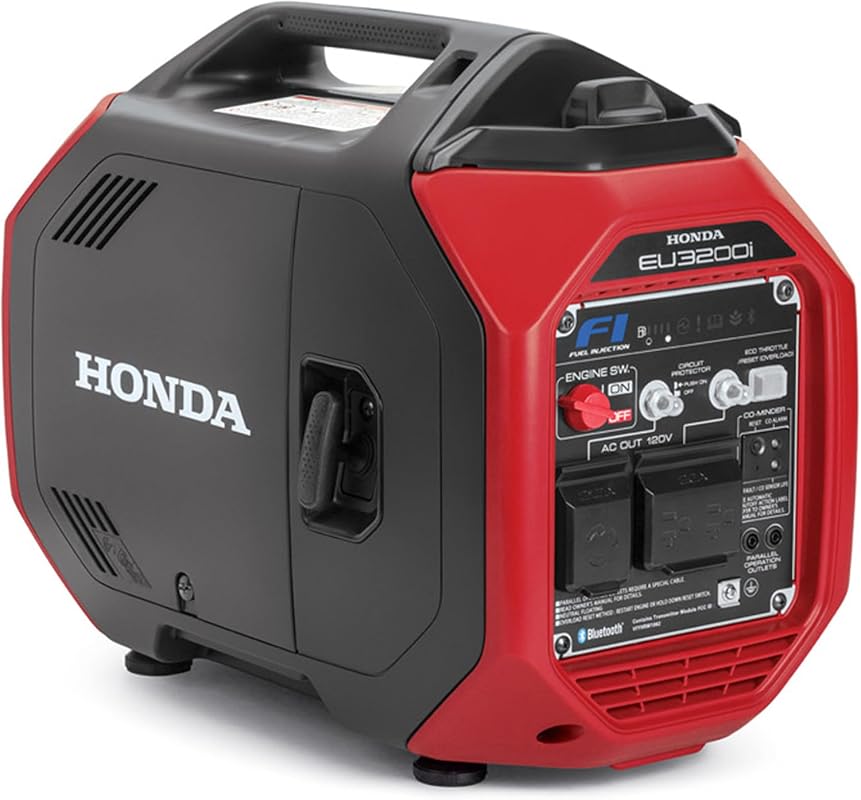
intro text here (2-3 sentences only)
Key Features That Stand Out
- ✓ Lightweight for easy transport and storage
- ✓ Quiet operation suitable for campgrounds
- ✓ Solid efficiency with helpful display features
Why We Recommend It
Great balance of portability and power for mid-size RVs and travel trailers. It’s reliable for daily camping use and easier to manage than larger units.
Best For
Best for weekend trips and light-to-moderate power needs.
Pros and Cons
Pros:
- Very portable with decent runtime
- Lower noise level for neighborhood camps
- Good value for the size class
Cons:
- Not ideal for heavy A/C loads on very hot days
- Limited runtime compared to larger models
Customer Reviews
Customer Review: “Super quiet and easy to start. Perfect for our small RV.” – Alicia P.
Customer Review: “Compact and reliable, but we upgrade to a bigger model for peak season.” – Carlos V.
3. Renogy P2 2000W Pure Sine Wave Inverter: 12V DC to 120V AC for RV, Truck, and Home
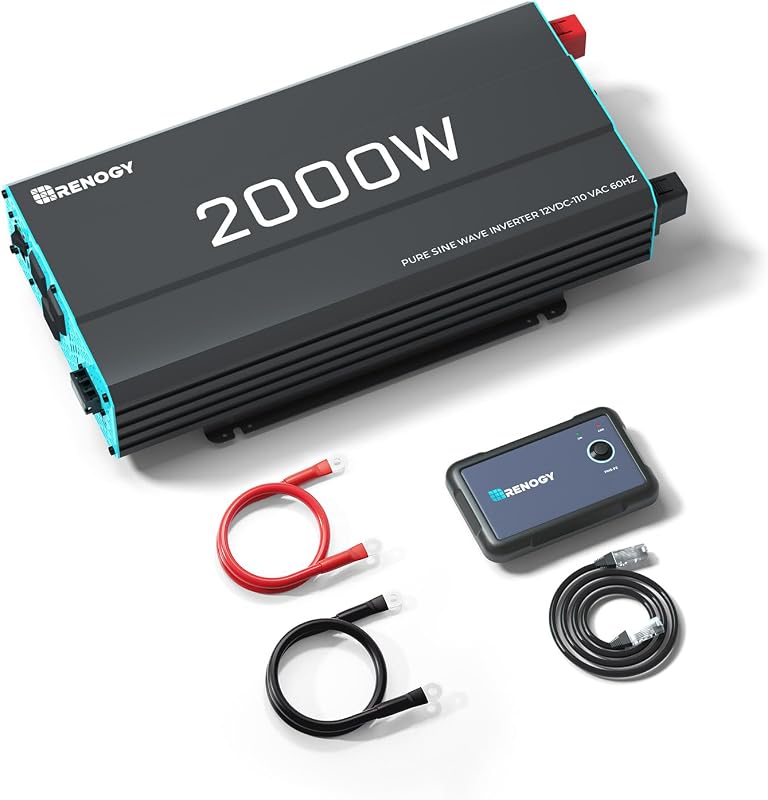
intro text here (2-3 sentences only)
Key Features That Stand Out
- ✓ Pure sine wave protection for sensitive electronics
- ✓ Built-in USB and multiple AC outlets for easy connections
- ✓ Compact and easy to install in RV cabinets
Why We Recommend It
Ideal for smaller RV setups or solar-integrated systems where clean power and portability matter more than raw peak wattage.
Best For
Best for solo travelers or couples with modest electrical needs.
Pros and Cons
Pros:
- Excellent protection for electronics
- USB port adds convenient charging options
- Quiet operation for campgrounds
Cons:
- Lower continuous wattage than larger models
- May require additional inverter pairing for heavy air conditioning
Customer Reviews
Customer Review: “Compact and reliable. Perfect for our small RV fridge and lights.” – Dana K.
Customer Review: “A solid pick for weekend camping. Not great for running a big AC.” – Steve L.
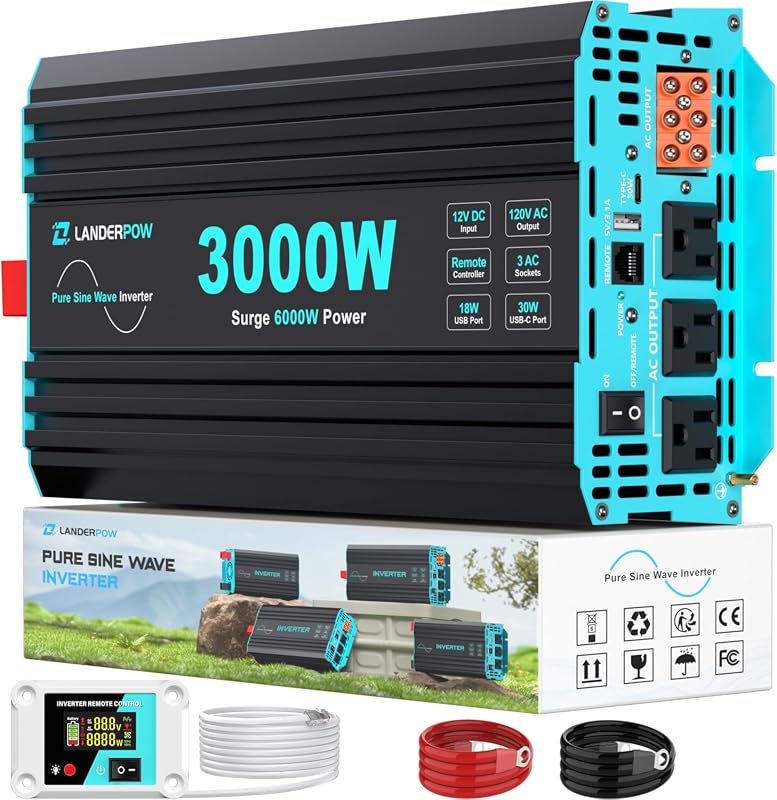
4. Renogy P2 3000W Pure Sine Wave Inverter: 12V DC to 120V AC for RV, Truck, Home
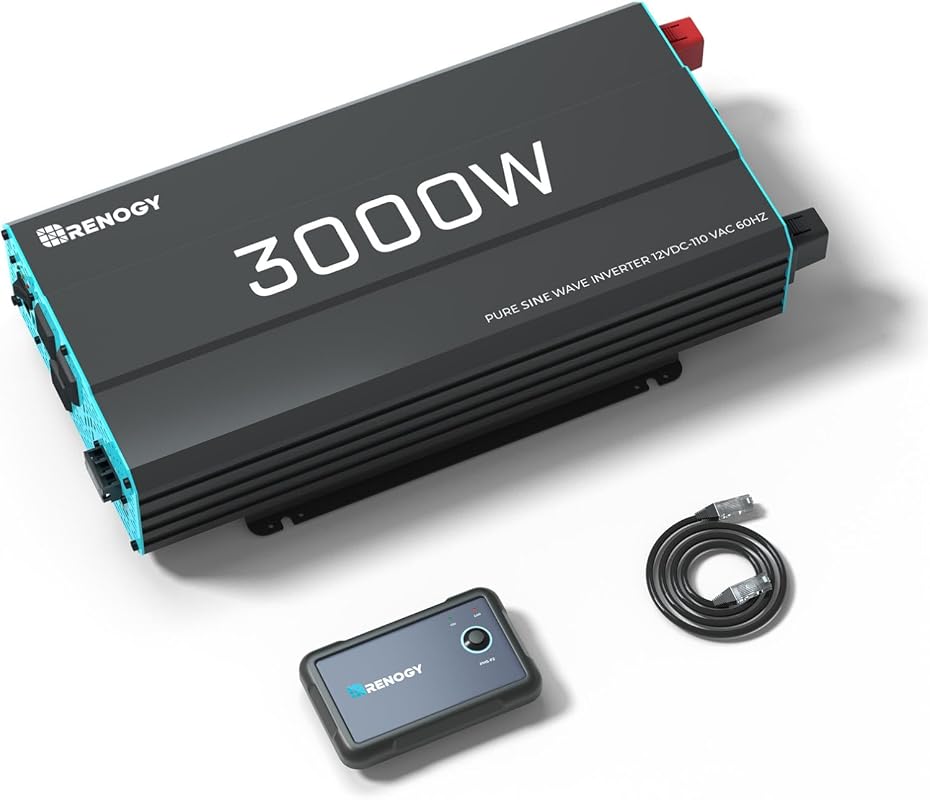
intro text here (2-3 sentences only)
Key Features That Stand Out
- ✓ High continuous power with peak surge for tough starts
- ✓ LED indicators for protection and status
- ✓ Robust build for RV use and rough terrains
Why We Recommend It
Great for RVs needing more than 2000W but not ready for the largest models. It balances performance with RV-friendly footprint.
Best For
Best for mid-to-large RV setups that require extra headroom on input power.
Pros and Cons
Pros:
- Strong wattage with good surge capacity
- Solid protection and reliable operation
- Versatile connectivity options
Cons:
- Heavier than smaller models
- Higher price point than entry-level inverters
Customer Reviews
Customer Review: “Powerful enough for a small AC and everything else in our camper.” – Tom B.
Customer Review: “Solid inverter, but a bit bulky to haul around.” – Priya S.
5. Anker SOLIX C1000 Gen 2 Solar Generator
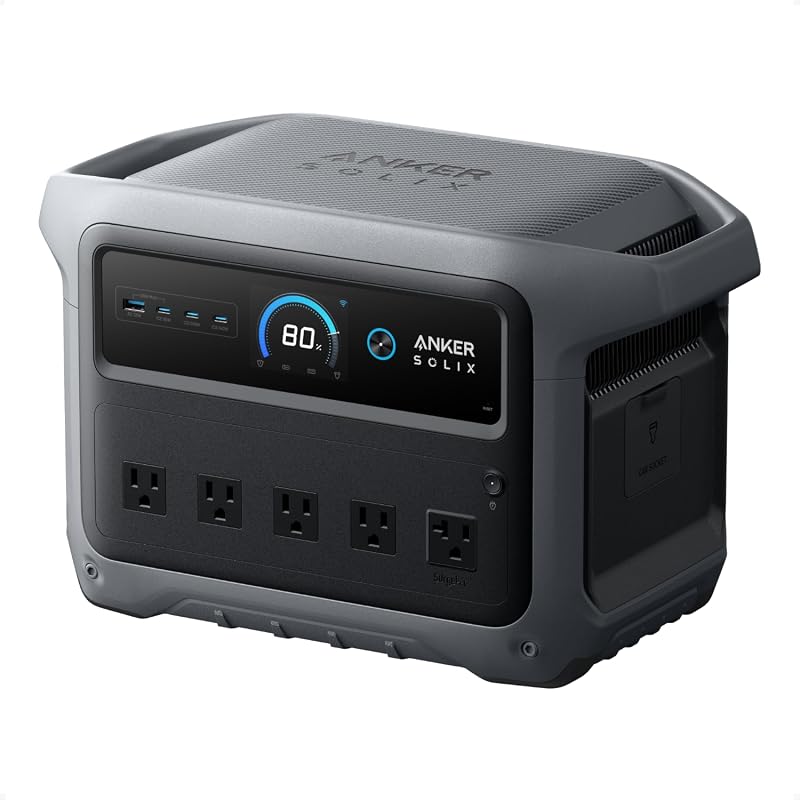
intro text here (2-3 sentences only)
Key Features That Stand Out
- ✓ Solar-powered with fast recharging
- ✓ Large capacity and multiple ports for devices
- ✓ Compact and portable for indoor or outdoor use
Why We Recommend It
Excellent for off-grid living or travel days when you want clean energy without noise. It’s easy to recharge and supports a wide device range.
Best For
Best for emergency backup and off-grid RV camping where quiet operation matters.
Pros and Cons
Pros:
- Silent operation in many scenarios
- High versatility with ports and USB options
- Portable and easy to store
Cons:
- Relies on solar recharging; cloudier days slow recharge
- Higher upfront cost
Customer Reviews
Customer Review: “Love the quiet operation and flexibility for weekend trips.” – Emily G.
Customer Review: “Great for backup power, but it takes a while to recharge via solar during shorter days.” – Jason T.
6. Honda EU2200i Companion 2200-Watt Inverter Generator with Lightweight Portability and Quiet, Easy-Start Operation (EU2200ITAN5)
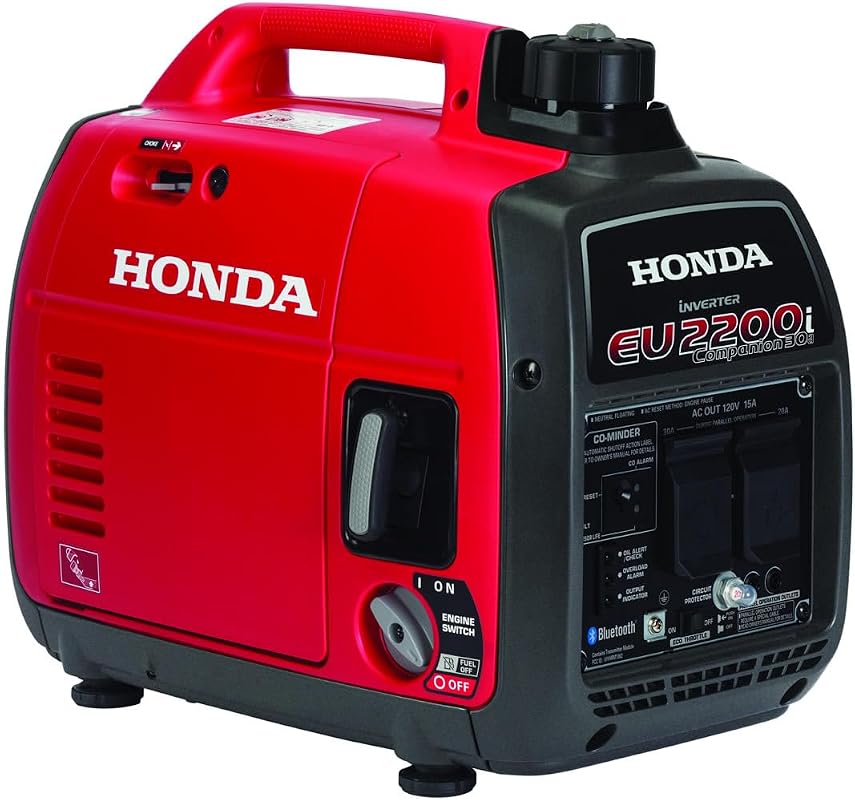
intro text here (2-3 sentences only)
Key Features That Stand Out
- ✓ Ultra-lightweight for easy carry to the campsite
- ✓ 2200W output is ideal for RV essentials
- ✓ Quiet, efficient operation with good fuel economy
Why We Recommend It
Perfect for couples and small families who want reliable power without heavy lifting. It’s a practical upgrade from smaller units for more sustained power needs.
Best For
Best for lightweight RV setups and patio appliances in shaded camp spots.
Pros and Cons
Pros:
- Portable and easy to start
- Great for basic RV loads
- Honda reliability you can feel
Cons:
- Lower power ceiling than larger inverters
- Not ideal for heavy AC use for long periods
Customer Reviews
Customer Review: “Lightweight and quiet. Perfect for our motorhome.” – Kevin M.
Customer Review: “Reliable start and solid performance for simple RV setups.” – Laura N.
7. Honda EU2200i Inverter Generator Portable
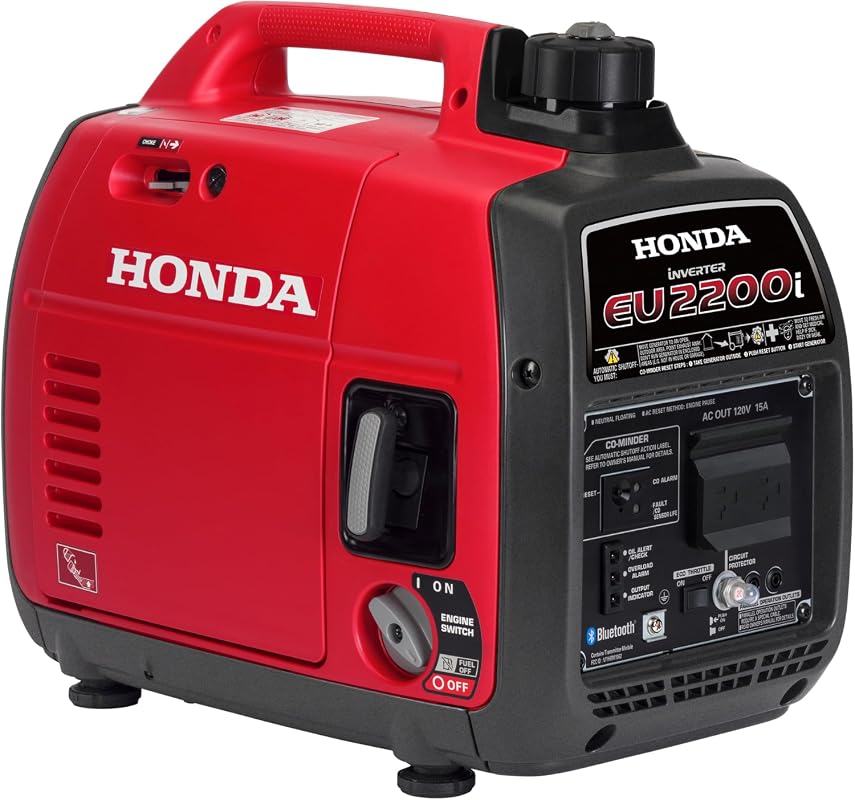
intro text here (2-3 sentences only)
Key Features That Stand Out
- ✓ Extremely quiet operation for campground peace
- ✓ Dependable electric start and simple maintenance
- ✓ Consistent 2200W output for essential appliances
Why We Recommend It
Reliability and ease-of-use makes this a staple for casual RVers who want clean power with minimal fuss.
Best For
Best for occasional trips and small to mid-size RV setups where noise matters.
Pros and Cons
Pros:
- Very quiet and easy to start
- Solid fuel efficiency for its class
- Lightweight for its wattage
Cons:
- Not the highest wattage option for RVs with heavy loads
- Single-output model may require accessories for some setups
Customer Reviews
Customer Review: “Perfect for our small RV and runs quietly all night.” – Mia C.
Customer Review: “Starts reliably and runs everything we need.” – Josh W.
Complete Buying Guide for Top 7 Best RV-Ready Inverter Generators
Essential Factors We Consider
When choosing an RV-ready inverter generator, we look for clean power, noise level, portability, and runtime. We also weigh how easy it is to start, maintain, and pair with RV electrical systems. Durability matters for off-grid trips and long-term reliability.
Budget Planning
Set a budget that matches your needs. If you rely on a big AC, invest in higher wattage with good surge capacity. For occasional weekend trips, compact units with good efficiency can be the sweet spot.
Final Thoughts
RV-ready inverter generators bridge the gap between home backup power and off-grid adventures. Pick a model that fits your RV size, daily power needs, and comfort with maintenance. Always consider fuel availability and local noise restrictions at campgrounds.
Frequently Asked Questions
Q: Are inverter generators quieter than traditional generators?
A: Yes. Inverter generators convert AC to DC and back, which lowers noise and improves fuel efficiency. They also typically run at variable speeds depending on load, reducing noise further.
Q: What wattage should I choose for RV use?
A: For most RVs, a 2000–3500W inverter handles refrigerators, lighting, and cooking, while 7000W models suit larger rigs with air conditioning. Consider surge ratings for AC starts.
Q: Can I run an inverter generator for extended periods?
A: With proper maintenance, yes. Follow the manufacturer’s service schedule, use fresh fuel, and store it with appropriate ventilation and safety considerations.
Q: Do these generators run on gasoline or propane?
A: Most RV-focused inverter generators run on gasoline, though some models support dual-fuel or propane options. Check the product specs for compatibility.
If you’re exploring gear beyond inverter generators, you might also want to visit our articles on Top 7 Best 4500 Watt Inverter Generators For RV, or see our picks for RVs suited to boondocking in Top 7 Best RV Generators For Boondocking. For power-on-demand with remote features, our Top 7 Best RV Generators With Remote Start can be a helpful reference.